How Does Fashion Influence Culture?
Fashion has always been a powerful reflection of culture, shaping and being shaped by societal norms, values, and trends. Throughout history, fashion has not only represented a person’s social status or profession but also communicated deeper cultural and ideological shifts.
In many ways, fashion mirrors societal changes. For example, the rebellious youth movements of the 1960s—characterized by anti-establishment sentiments—birthed bold styles like tie-dye shirts, bell-bottom jeans, and long hair. These fashion choices became symbolic of the broader cultural revolution, signaling a departure from traditional norms. Similarly, punk fashion in the 1970s reflected the defiant, non-conformist attitudes of that subculture with its torn clothing, bold makeup, and leather accents.
Fashion is also heavily influenced by cultural diversity. Designers often draw inspiration from various ethnic traditions, integrating different cultural elements into their collections. African prints, Japanese kimonos, and Indian sarees, for example, have inspired countless fashion designers around the globe, influencing mainstream fashion trends and leading to a more globalized aesthetic. However, this also opens up discussions on cultural appropriation, where elements of one culture are used by another, sometimes without proper understanding or respect for their origins.
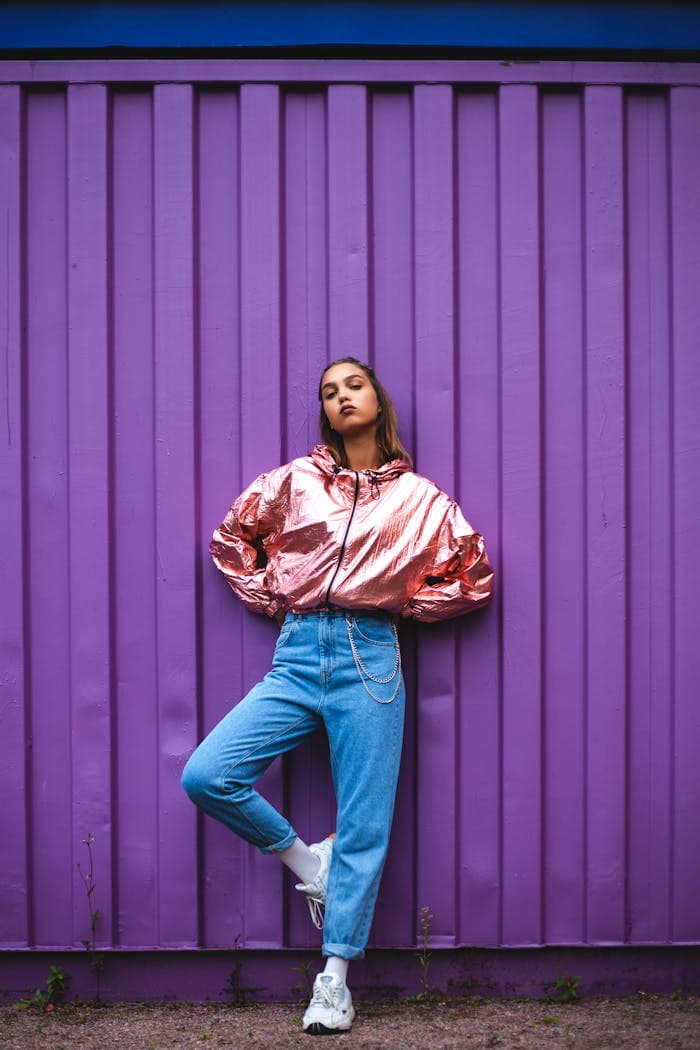
Fashion, in turn, influences culture by shaping individual and group identities. Streetwear, for instance, has grown beyond its urban roots to become a global phenomenon, representing youth culture and the fusion of high fashion with everyday wear. As such, fashion serves as a visual language, where clothing choices express personal beliefs, group affiliations, or social movements.
In conclusion, fashion and culture exist in a dynamic relationship, constantly influencing and redefining one another. Through fashion, individuals not only reflect their cultural environment but also play a role in shaping future cultural narratives.